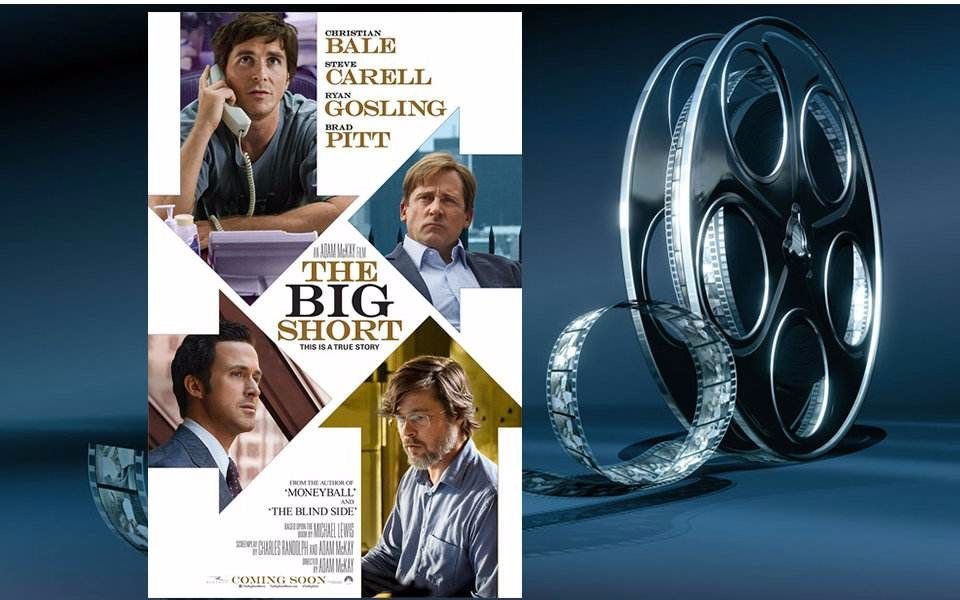
The 2008 financial crisis remains a stark reminder of market fragility, systemic risks, and the power of a few individuals to foresee — and profit from — impending collapse. At the heart of this narrative is "The Big Short" (大空头), a term that refers both to the monumental bet against the housing market and the critically acclaimed film that brought this complex story to the masses. More than just a tale of finance, it's a profound look into human behavior, economic systems, and the crucial importance of understanding the forces that shape our financial world.
This Super Pillar hub serves as your comprehensive guide to unpacking "The Big Short" phenomenon. We'll delve into the mechanics of short selling, explore the film's brilliant portrayal of the crisis, examine historical parallels, and consider the ethical dimensions of profiting from downturns. Prepare to gain a deeper understanding of market dynamics and arm yourself with knowledge that transcends a single event.
Understanding the "Big Short": Betting Against the Grain
At its core, "The Big Short" is about a specialized investment strategy: short selling. While most investors buy assets hoping their value will rise, short sellers do the opposite. They borrow and sell assets, hoping to buy them back later at a lower price, thus profiting from a decline. This seemingly counter-intuitive approach played a pivotal role in the 2008 crisis, as a handful of prescient investors identified a catastrophic bubble in the U.S. housing market and bet aggressively against it.
Such a strategy requires not only a keen understanding of market fundamentals but also immense conviction and risk tolerance. To truly grasp the foundations and intricacies of this powerful strategy, explore our detailed guide on Short Selling: Fundamentals and Mechanics.
Deconstructing the 2008 Crisis Through a Cinematic Lens
The film "The Big Short" expertly translates the labyrinthine complexities of the subprime mortgage crisis into an accessible, often darkly humorous, narrative. It introduces us to a cast of eccentric characters – outsiders, hedge fund managers, and young investors – who dared to challenge the prevailing optimism of the market. Through their eyes, we witness the mounting evidence of widespread fraud, irresponsible lending, and the catastrophic ignorance of major financial institutions.
The movie isn't just entertainment; it's a powerful educational tool that uses creative explanations (like Selena Gomez in a casino or Margot Robbie in a bathtub) to demystify complex financial products like Collateralized Debt Obligations (CDOs). Understanding the film's characters, plot, and its historical accuracy is key to internalizing the lessons of 2008. For a deeper analysis of the film and its crucial context, Dive into The Big Short analysis.
Beyond 2008: A History of Market Contractions and Profiteers
While the 2008 crisis serves as a dramatic centerpiece, short selling and market downturns are not unique to that era. History is replete with examples of economic bubbles, crashes, and the individuals who either predicted them or capitalized on them. From the Dutch Tulip Mania to the Dot-Com Bust, understanding these cyclical patterns offers invaluable perspective on current market trends and potential future vulnerabilities.
Examining these events helps us identify recurring themes: speculative fervor, lax regulation, and the human tendency towards irrational exuberance. By studying the past, we can better prepare for the future and recognize warning signs. To learn about other significant market shifts and the role short sellers played, Dive into historical market events.
The Double-Edged Sword: Risks, Rewards, and Ethical Considerations of Short Selling
Short selling is undeniably a high-stakes game. While the potential rewards for correctly predicting a market decline can be immense, the risks are equally formidable. Shorting a stock that rises rather than falls can lead to unlimited losses, a concept that can quickly wipe out an investor's capital. Furthermore, the practice itself often draws controversy, with some viewing short sellers as vultures profiting from others' misfortune, while others see them as crucial market stabilizers who expose overvalued assets.
These debates highlight the complex ethical and practical considerations surrounding short selling. It's vital for any serious investor or market observer to understand not just how short selling works, but also its broader implications for market integrity and individual portfolios. For a comprehensive look at the upsides, downsides, and moral dilemmas, explore Risks, Rewards, and Ethics of this compelling strategy.
Mastering the Art: Advanced Short Selling Tactics and Techniques
For those who move beyond the fundamentals and wish to explore short selling as a serious investment strategy, there's a world of advanced tactics and techniques to uncover. This includes understanding complex derivatives, developing sophisticated risk management protocols, and mastering market timing. It's a field that demands continuous learning, rigorous analysis, and an ability to navigate rapidly changing market conditions.
From identifying specific catalysts for price declines to utilizing options and other financial instruments to enhance or hedge short positions, advanced strategies can significantly refine a short seller's approach. While not for the faint of heart, these methods offer powerful tools for experienced investors. To truly elevate your understanding and execution, explore our guide designed to help you Advanced short selling strategies Master advanced concepts and applications.
"The Big Short" is more than just a historical account; it's a timeless narrative about foresight, courage, and the often-hidden mechanisms that drive global finance. By exploring these interconnected pillars, you'll gain a robust understanding of market dynamics, the ethical complexities of investment, and the enduring lessons from one of the most significant financial events in modern history. Continue your journey through our guides to empower yourself with knowledge and navigate the financial world with greater insight.